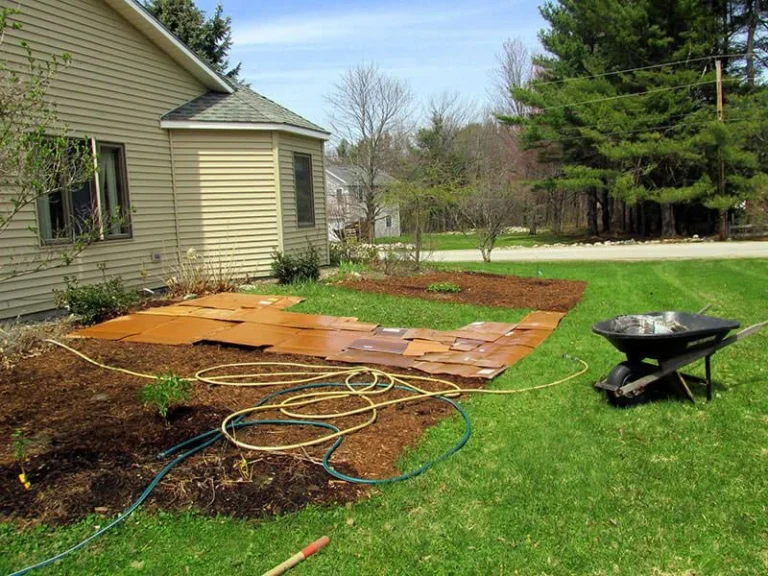
If you are anything like me, you have probably broken down a cardboard box after a delivery and immediately thought, “Well, into the recycling bin you go.” But before you do that, here is something you may not know plain cardboard can actually be incredibly useful in your garden.
That’s right, your old cardboard boxes may have one more job left in them.
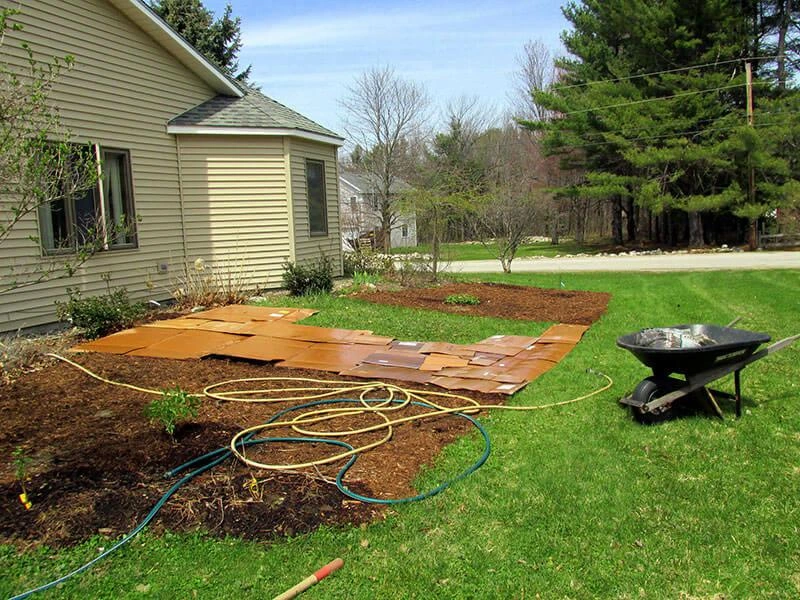
Gardeners have been using cardboard as a weed barrier for years in a method often called sheet mulching or lasagna gardening. It is a simple, low-cost way to help suppress weeds, retain moisture, and even improve soil over time. Best of all, it gives old cardboard a second purpose instead of sending it straight to the trash or recycling.
So, Why Does Cardboard Work?
Cardboard acts like a breathable barrier between the soil and sunlight.
When laid properly, it helps block sunlight from reaching weeds underneath, making it harder for unwanted plants to grow. At the same time, it allows moisture to pass through to the soil below, helping your garden stay hydrated during warm weather.
As time goes on, the cardboard naturally breaks down and becomes part of the soil, adding organic material along the way.
Think of it as nature’s temporary helper. It does its job and quietly disappears.
What Kind of Cardboard Should You Use?
Not all cardboard is created equal when it comes to gardening.
For best results, stick with:
- Plain brown corrugated cardboard
- Shipping boxes without heavy coatings
- Clean cardboard free from food contamination
Before using it, remove:
- Packing tape
- Staples
- Shipping labels when possible
- Glossy or wax-coated surfaces
Plain cardboard works best because it breaks down naturally and avoids adding unnecessary materials to your garden.
How to use Cardboard as Mulch
The process is surprisingly simple.
1. Prep the Area
Clear away tall weeds or grass. You do not have to remove everything down to bare dirt, but trimming things back helps.
2. Wet the Ground
Water the soil before laying down cardboard. Moisture helps kick-start the breakdown process.
3.Lay Down the Cardboard
Flatten boxes and overlap the edges by a few inches so weeds do not sneak through the seams.
4.Soak the Cardboard
Give it a good watering once it is in place. Wet cardboard stays put better and begins breaking down faster.
5.Cover it Up
Add a layer of mulch, compost, wood chips, leaves, or other organic material on top. This not only looks better but also helps hold moisture and keeps the cardboard from blowing around.
A Few Things to Keep in Mind
Cardboard is helpful, but it is not magic.
It works best as part of a larger garden setup and may not stop every stubborn weed forever. Perennial weeds with aggressive root systems can sometimes push throught.
Also, avoid piling cardboard directly against three trunks or plant stems where too much moisture could cause problems.
Like most things in gardening, a little common sense goes a long way.
Giving Materials a Second Life
At CTC Packaging, we spend a lot of time around cardboard, so we appreciate a good second act when we see one.
Whether it is protecting products in transit or helping tomatoes thrive in the backyard, it is always nice when materials can work a little harder before retirement.
Sometimes the smartest solutions are the simple ones.
Have questions about packaging, materials, or creative ways to put them to use? We are always happy to help.
CTCPackaging.com
CTC Packaging – It’s What We Do.